
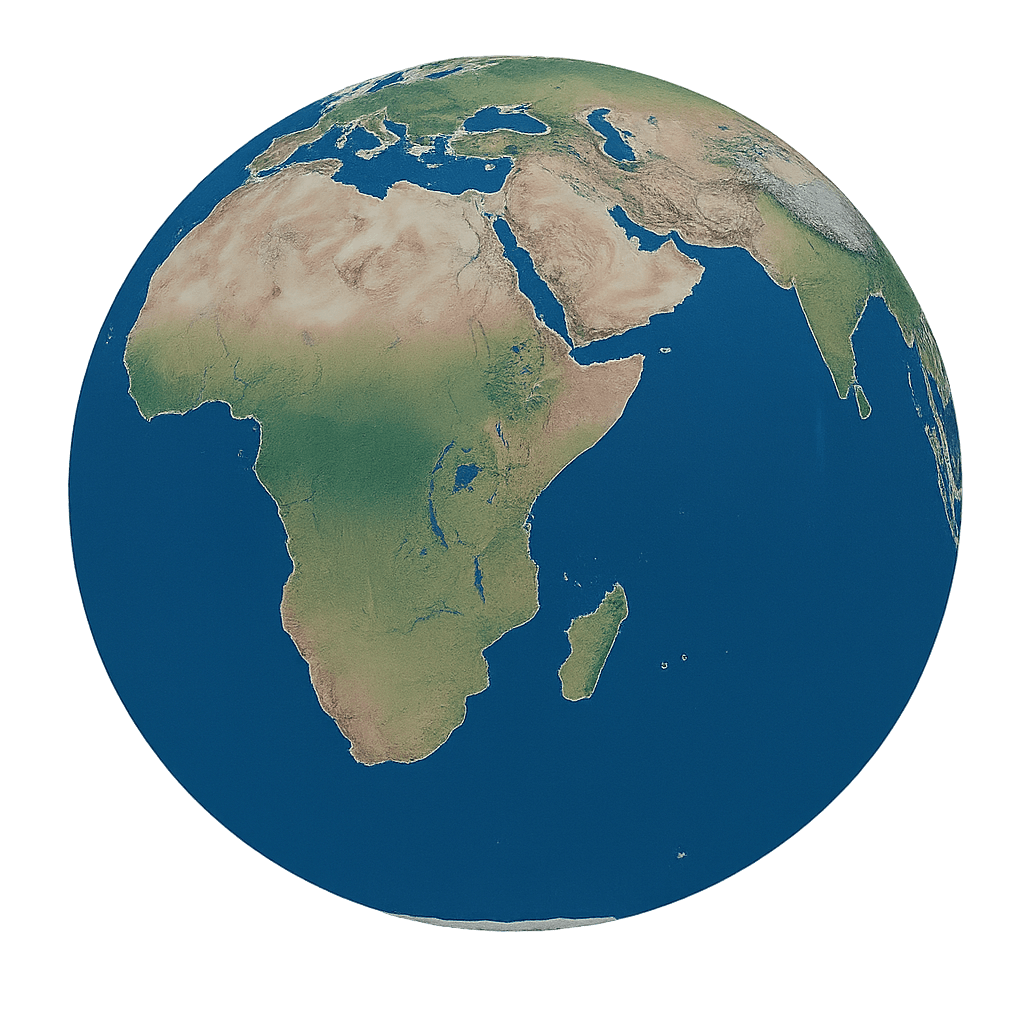
Strait of Hormuz Pollution Watch: Greenpeace says satellite images show five larger oil slicks in the Strait of Hormuz, with spill reaching Iran near Qeshm Island’s protected mangroves and also visible on Oman’s side—raising fears of a leaking tanker after recent attacks. Maritime Flashpoint: Iran’s IRGC released video claiming it destroyed a U.S. Saildrone Explorer near the Strait, following Iran’s earlier seizure of an advanced U.S. underwater drone—pushing Brent above $107 amid heightened risk to one of the world’s busiest oil routes. Climate Alarm: UN-linked reporting warns Earth is on track to overshoot the 1.5°C warming limit, while August 2026 is reported as the hottest month on record—El Niño adding extra heat on top of fossil-fuel-driven warming. Food Security Aid: The UAE announced $8m in support for Chad to respond to El Niño impacts, focusing on food security, hunger and malnutrition resilience. Local Environment & Water: In Gaza, reports describe sewage crisis worsening as Israeli attacks damage pumping stations, intensifying environmental and public health pressure. Energy Disruption Ripple: Saudi Arabia’s East-West pipeline pause and damage reports are driving crude and fuel price jumps, with knock-on effects for shipping and broader costs.
AGP Executive Report
Your go-to archive of top headlines, summarized for quick and easy reading.
Note: AI summary from news headlines; neutral sources weighted more to help reduce bias in the result. Feedback is welcome. Please let us know if you have any comments or suggestions about the AGP Executive Report.
Strait of Hormuz Pollution: Greenpeace says satellite images show five larger oil slicks in the Strait of Hormuz, reaching Iran’s Qeshm coast and Omani waters, with possible links to the Riesco tanker and other attacks—raising fresh fears for mangroves and bird habitats. Maritime Flashpoint: Iran’s IRGC says it destroyed a U.S. Saildrone Explorer near Hormuz after earlier capturing an advanced undersea drone, while shipping through the strait hits record lows and oil prices jump above $107. Energy Supply Pressure: Attacks on Saudi infrastructure have left the East-West pipeline offline, tightening supply expectations and keeping markets on edge as Houthis expand pressure and Gulf-Iran talks stall. Climate Policy Backslide: The U.S. EPA moves to repeal greenhouse-gas limits for power plants, a shift critics warn will worsen health and environmental impacts. Local Waste Discipline: Jordan’s ASEZA runs a green awareness drive for truck drivers, pushing better waste handling and yard cleanliness at one of Aqaba’s busiest logistics hubs. Climate Diplomacy: BRICS leaders in New Delhi back Paris-aligned climate resilience, energy security and forest/water/land management in a declaration shaped by the Hormuz-driven energy shock.
Strait of Hormuz Marine Fallout: Iran’s IRGC says it destroyed a U.S. Saildrone Explorer near the Strait of Hormuz, after a prior capture of a U.S. underwater drone—raising risks for the region’s already stressed seas, with oil-spill and debris concerns highlighted by Bahrain-based campaigners. Shipping Biofouling & Pollution: With many Gulf vessels idling for long periods, hull growth and emissions rise; the same disruption is also linked to greater marine contamination risks. Energy Policy Backslide: The U.S. EPA moves to scrap power-plant greenhouse gas limits, a reminder that climate rules are under pressure globally—at a time when Middle East tensions are already pushing energy costs up. New Airline, New Footprint: Saudi aviation regulators cleared an Air Arabia-led consortium to launch a low-cost carrier from Dammam, boosting connectivity while adding to regional transport emissions. Labor Market & Climate Work: Qatar’s private sector leaders back policies for resilient jobs as climate change reshapes working environments across the Arab region.
Maritime Security & Climate Risk: Iran says it destroyed a U.S. Saildrone Explorer near the Strait of Hormuz, after Tehran also claimed it seized an advanced undersea drone—raising fears of more disruptions to one of the world’s key oil chokepoints and the knock-on effects for energy and emissions across the region. Energy Transition & Storage: Gotion High-Tech secured a 6 GWh battery energy storage order for Saudi Arabia’s first large-scale projects, signaling momentum for grid flexibility in harsh desert conditions. Public Health & Environment: Jordan’s Aqaba port reported an ammonia gas leak during routine maintenance, injuring 14 people and prompting safety checks—another reminder of industrial risk management near vital coastal infrastructure. Labour, Climate & Jobs: At the Arab Labour Conference in Cairo, Qatar’s chamber and Kuwait’s business leaders warned that growth hasn’t translated into enough jobs or poverty reduction, while pushing for a low-emission energy mix that keeps energy affordable. Animal Welfare: Israel local authorities in multiple cities banned live chickens for the kapparot ceremony, reflecting rising pressure to align religious practices with animal welfare rules.

Maritime Flashpoint: Iran’s IRGC says it destroyed a U.S. Saildrone Explorer surveillance drone near the Strait of Hormuz, after a prior seizure of an advanced U.S. underwater drone—raising fresh supply-risk fears as Brent jumps above $107. Energy Costs & Climate Pressure: With Qatari LNG shipments through Hormuz “all but dried up,” Asia’s buyers are paying far more on spot markets (about $7.4bn spent by major emerging importers), pushing a rethink of LNG’s role versus renewables and other fuels. Diplomacy in the Gulf: Oman postponed Iran–Gulf talks on reopening Hormuz for regular tanker traffic, citing “consensus,” as the region weighs legal/fee frameworks while shipping remains disrupted. Food Security & Fertiliser: A report flags how expensive imported phosphate is, pointing to struvite recovered from wastewater as a possible homegrown alternative that could cut legacy phosphorus pollution. Labour & Green Transition: Qatar and Kuwait used the Arab Labour Conference in Cairo to stress de-escalation, workers’ rights, and how climate change and the shift to a green economy affect jobs and safety.
Maritime Security & Climate Risk: Iran’s IRGC says it destroyed a U.S. Saildrone Explorer near the Strait of Hormuz, after a reported seizure of a U.S. underwater drone—raising fears of wider disruption to one of the world’s key oil routes and the marine environment. Oil Spill Watch: Greenpeace says an oil spill from the attacked tanker RIESCO has doubled, spreading over about 400 sq km and threatening sensitive habitats in Oman and Iran’s protected mangrove areas. Sanctions & Food Security: At the BRICS summit in New Delhi, Iranian President Masoud Pezeshkian warned that unilateral sanctions are hitting global food security and people’s welfare, urging resilience and trade in national currencies. Energy & Renewables Deals: ADNOC, XRG and Masdar announced up to €5bn in new German energy and tech agreements, spanning LNG, renewables and advanced materials. Climate Diplomacy: Azerbaijan’s Climate Week in Baku drew up to 2,700 delegates, focusing on adaptation, NDCs and implementation. Water & Waste: Israel released five rehabilitated sea turtles after plastic entanglement injuries, urging the public to report wildlife incidents instead of removing waste themselves. Regulation Update: Egypt’s FRA issued updated real estate valuation standards, adding ESG requirements and tighter data rules.
Maritime Oil- Spill Risk: A Greenpeace-linked report says an oil spill in the Gulf of Oman has doubled to about 400 sq km, threatening protected seabird and mangrove areas off Oman and Iran. Hormuz Flashpoint: Iran’s IRGC says it destroyed a U.S. Saildrone Explorer near the Strait of Hormuz, after Iran claimed it seized a U.S. underwater drone days earlier—raising fears for global oil traffic and marine ecosystems. Energy Supply Shock: Brent jumped above $107 as shipping disruption fears mount, while the wider Gulf conflict continues to rattle regional waters. BRICS Climate & Trade Signals: BRICS leaders adopted the New Delhi Declaration, calling for “maximum restraint” in West Asia, opposing forced Gaza displacement, and naming carbon border adjustment mechanisms in trade—tying climate-linked barriers to global governance fights. Iraq–Saudi Pipeline Fallout: Iraq says attacks on Saudi Arabia’s East-West pipeline were launched from its territory and dismissed a commander, underscoring how conflict is reshaping regional energy infrastructure and spillover risks. Iraq Oil + Renewables Angle: Iraq signed a 25-year deal to expand production at the Ajil oil field, with plans to integrate oil, gas and renewables to cut environmental impact.
Strait of Hormuz Flashpoint: Iran’s IRGC says it destroyed a U.S. Saildrone Explorer near the Strait of Hormuz, after a separate capture of a U.S. underwater drone—raising risks for one of the world’s busiest oil chokepoints and pushing Brent above $107. Climate Disaster Lens: A Nepal flood expert argues the Bhotekoshi disaster fits a climate-driven pattern, with glacier melt and glacial lake bursts increasing downstream flood and landslide threats. COP31 Hosting: Türkiye confirmed it will host COP31 in Antalya (Nov. 9–20, 2026), putting the country at the center of the next round of climate diplomacy. Green Tech in Agriculture: ZenaTech received Irish aviation authorization for drone-based precision farming services, aiming to cut fertilizer and other inputs while reducing environmental impact. Energy Transition Politics: BRICS adopted the New Delhi Declaration 2026, calling for restraint in West Asia and stressing protection of civilians and civilian infrastructure, including in the context of energy and renewables markets.
Water & Biodiversity: A new BirdLife report warns migratory birds are under mounting pressure from climate change, pollution, invasive species, intensive farming and illegal hunting, with 11% of the world’s 1,843 migratory species threatened and 45% declining. Climate Extremes: Coverage flags the wider climate backdrop as the world records record-hot conditions, with El Niño strengthening and raising odds of extreme weather impacts across regions. Energy Security & Marine Impacts: With Middle East tensions escalating around Hormuz and Bab el-Mandeb, shipping disruptions are again in focus, alongside reports of oil slick concerns in the Strait of Hormuz. Health & Tech for Resilience: Saudi Arabia approved two locally developed AI medical software products for dentistry and eye disease detection, signaling growing adoption of digital health tools in the region. Regional Environment Governance: UNDP and partners are pushing water diplomacy and cooperation in the Aral Sea basin, aiming to strengthen shared management of scarce water resources.
Maritime Security & Environment: Iran’s IRGC released video claiming it seized a modern U.S. undersea drone (Dive-LD) near the Strait of Hormuz, after the U.S. acknowledged losing the unmanned vehicle—another reminder that Hormuz tensions can quickly spill into marine ecosystems and regional economies. Climate & Water Risks: A report highlights how climate hazards disrupted schooling for 171 million students in 2025, underscoring the knock-on effects of extreme weather across the region. Agriculture Modernization: Egypt and France discussed expanding agricultural investment and tech cooperation, including irrigation, agro-processing, and fertilizer production—aimed at boosting productivity and resilience. Livestock Traceability: Kenya launched an electronic livestock identification and traceability system in Isiolo to meet stricter market requirements, improve security, and reduce losses from theft. Plastic-to-Fertilizer Research: Scientists reported progress on plastics that can be chemically converted into fertilizers, offering a potential route to cut microplastic pollution from farm soils. BRICS & Sustainability: As BRICS leaders meet in India, Iran’s president urged a shift from “potential” cooperation to practical trade, investment, and joint financing—while Egypt’s president also arrived for the summit under a theme that includes sustainability.
Climate Risk in Iraq: Iraq’s Kurdistan and IOM-linked reporting warns drought and water loss could push hundreds of thousands to millions of Iraqis into displacement, with climate-driven moves already recorded across multiple provinces. Heat Records: Copernicus says August was the hottest month ever, driven by human-caused warming plus a strong El Niño—another reminder that the 1.5°C line is slipping fast. Strait of Hormuz Pressure: Oil prices stay jumpy as Hormuz-linked conflict and shipping disruptions keep energy security front and center, feeding wider economic and inflation stress. Waste Fight in Cairo: Cairo’s new bottle-and-can recycling machines sparked a clash with the city’s zabaleen waste collectors, highlighting how modernization can fail without including informal workers. COP Pathways for Türkiye: Türkiye’s environment minister points to Azerbaijan’s COP29 experience as a guide for COP31 preparations, stressing regional coordination and climate-finance lessons. Policy Watch—Fuel Pricing: Ghana’s CEMSE urges regulators to sanction oil marketing firms and bulk distributors for mid-window price changes during regulated pricing periods.
Strait of Hormuz Shipping War: The US says it destroyed five Iranian crude carriers after IRGC ballistic-missile attacks on a US Navy warship, as Hormuz transit and insurance risks remain central to the conflict’s environmental and economic fallout. Water Security in Israel-Gaza: An algae bloom shut down multiple Israeli Mediterranean desalination plants, forcing heavier pumping from the Sea of Galilee and aquifers; the lake hit its lowest September level since 2018, underscoring how fragile water links can ripple into Gaza. COP31 Climate Diplomacy: Azerbaijan opened Climate Week in Baku with a focus on climate action and finance, while preparations for COP31 in Antalya include special visa rules for participants. Nature and Pollution Pressure: Turkey is pushing ocean protection ahead of COP31, and Istanbul’s air pollution rose in August, adding to regional pressure on air-quality and coastal ecosystems. Saudi Biodiversity Move: Saudi Arabia approved a large nature reserve near Riyadh, a rare bright spot amid regional conflict-driven environmental strain. Precision Farming Tech: Ireland’s aviation regulator approved drone-based precision agriculture services, aiming to cut fertilizer and other inputs while reducing environmental impact.
BRICS Climate Diplomacy: BRICS sherpas are reportedly drafting a joint declaration for the New Delhi summit amid West Asia tensions, with Iran, Saudi Arabia and the UAE at the table—an uneasy backdrop for climate finance and green-transition talks. Hormuz Oil Shock: The US says it destroyed five Iranian crude tankers after IRGC ballistic-missile attacks on a US Navy warship, while Iran claims further strikes near the Strait of Hormuz—pushing Brent back above $100 and raising risks for Gulf marine ecosystems and energy-dependent economies. Ground Zero Toxic Air: New York City declassified 170,000+ pages of records showing authorities concealed Ground Zero air toxicity after 9/11, including widespread asbestos findings—renewing pressure for public health accountability. Saudi-Pak-Türkiye Defence Link: Pakistan’s defence minister warns Houthi attacks on Saudi Arabia could trigger the Makkah Defence Alliance, underscoring how regional conflict can spill into critical infrastructure and environmental safety. Counter-Drone Tech: AeroVironment won its first international LOCUST laser counter-drone order worth $50M+, signaling a shift toward scalable, lower-cost drone defense for protecting facilities. Pakistan Flood Losses: Rawalpindi residents report major damage from Nullah Lai flooding after heavy monsoon rains, highlighting how urban drainage and land-use pressures worsen climate-driven disasters.
Climate Diplomacy: Climate Week 4 kicked off in Baku, with Azerbaijan’s FM Jeyhun Bayramov urging faster, results-driven climate action and warning that climate impacts are hitting economies alongside geopolitical instability. Water & Environment: Bayramov also flagged the Caspian Sea’s continued decline, where climate shifts and reduced river inflows are worsening biodiversity and navigation pressures. Maritime Security & Pollution Risk: UKMTO reported merchant vessels in the northern Arabian Gulf and Gulf of Oman faced “disabling fire,” with authorities unable to confirm casualties or environmental damage; shipping caution followed Hormuz tensions. Energy Prices & Climate Costs: Brent pushed above $100 as Middle East conflict raised supply fears, while record gasoline prices in the US underscored how war-linked fuel shocks ripple into everyday emissions and costs. Iraq Displacement & Climate Pressure: IOM said over one million Iraqis remain internally displaced, warning that climate change and water scarcity are adding new strain to human mobility and recovery. Clean Shipping Tech: Oman welcomed a wind-assisted Valemax ore carrier, a step toward lower-emission maritime transport using rotor sails. AI Governance: UN rights chief Volker Türk warned advanced AI could pose an existential risk, adding a new layer to how tech is regulated in the region.
Food Security & Climate Shocks: FAO says global food prices rose in August to the highest since late 2022, driven by extreme heat, drought, and Middle East war disruptions that are tightening supply expectations and lifting wheat, sugar and maize prices. Gulf Water & Desalination Stress: Israel’s desalination system is being hit by an algae bloom that has disrupted multiple plants, raising fears about water security as conflict-linked pressures compound climate impacts. PFAS Pollution Control: Nigeria’s aviation authority is joining a UN/UNEP/ICAO effort to phase out PFAS “forever chemicals” in firefighting foams, aiming to remove thousands of tonnes of contaminated material and safely dispose of foam concentrate. Climate Finance & Loss Damage: Nepal has formally requested rapid support from the Loss and Damage Fund after the Bhotekoshi glacier-related floods, warning that climate-induced disasters are overwhelming fragile infrastructure. Biodiversity & Land Health: Researchers report the world’s soil already holds a far larger seed bank than Norway’s Svalbard vault, though high seed density can trade off with plant diversity. Energy & Instability Costs: Qatar warns that “no war, no peace” is draining resources and destabilizing supply chains, underlining how prolonged regional tensions spill into economic and development capacity.
AI Governance: UN rights chief Volker Türk urged binding “red lines” and independent safeguards for advanced AI, warning it could become an existential risk if left unchecked. Energy & Environment Risk: Oil prices neared $100 as Middle East conflict flared, with reports of Saudi attacks disrupting southern energy operations and US strikes disabling Iranian tankers—raising fears of supply shocks that can worsen environmental and public health pressures. Water & Health in Iraq: Iraq’s Health Ministry says it needs at least $6.84B to cover debts, secure medicines, and stabilize supplies, as war damage and fiscal strain continue to hit healthcare capacity. Climate Finance Push: ESCWA’s Oman-hosted session stressed better data for sustainable development progress, as conflicts and disasters strain statistical systems. Tech & Data Resilience in Saudi Arabia: Saudi cloud transformation is shifting toward data sovereignty, security, and recoverability—highlighting how digital infrastructure planning is becoming part of resilience strategy. Syrian Coastal Bases: Syria and Russia agreed to reorganize Tartous and Hmeimim, moving facilities under Syrian civilian administration and redefining military sites as joint training centers.
Gulf Environment & Monitoring: Qatar’s MoECC says it carried out 1,666 environmental inspection visits in Q2 2026 and processed thousands of lab analyses, with faster response times to emerging issues. Hormuz Shipping & Pollution Risk: Iran’s security officials again signal a “restricted/exclusion zone” beyond the Strait of Hormuz, tying passage rules to coordination with Tehran—raising fresh concerns for maritime safety and potential oil-spill impacts as ships reroute. Diplomacy & Trust: UAE adviser Anwar Gargash says rebuilding trust with Iran will be a “mountain to climb,” even if relations restart, stressing non-belligerence, mutual respect, and freedom of navigation. AI, Rights, and the Environment: UN rights chief Volker Türk warns advanced AI could pose an “existential risk,” urging urgent governance—while noting conflict’s long tail includes public health and environmental harm. Climate, Food, and El Niño: Cocoa prices keep climbing for a sixth straight month amid El Niño-linked weather worries, as energy costs and climate disruptions continue to ripple through food systems. Energy Transition Pressure: Research warns the global move away from oil could trigger conflict and migration unless oil-dependent states get urgent support to diversify.
AI Governance Alarm: UN rights chief Volker Türk warned advanced AI could become an “existential threat to humanity,” urging countries and AI firms to set “red lines” and act now. Hormuz Shipping Risk: Iran says it will announce a restricted maritime zone beyond the Strait of Hormuz and threaten sanctions/insurance impacts for non-coordinating vessels, as analysts note oil flows through the strait remain sharply reduced. Renewables Surge: A BloombergNEF outlook says MENA hit a record 16 GW of solar and wind in 2025 and is set to add 404 GW by 2035, with battery storage scaling fast. Water Under Pressure: Israel’s desalination system faced disruption after a rare microalgae bloom shut down five of six plants, highlighting the role of decentralized reservoirs. COP29 Momentum: Azerbaijan’s climate push at Baku Climate Week emphasized green energy corridors and scaling wind/solar to reach international markets. Local Environment & Resilience: Turkey’s Izmit Bay cleanup includes bottom mud removal, while Turkey’s forests are described as an environmental battleground. Security-Tech Spillover: Israel’s SpearUAV says it has nearly 1,000 AI-based loitering munitions ready for global deployment.
Maritime Security & Environment: Iran says it will declare a new “restricted” maritime zone outside the Strait of Hormuz soon, starting from the US blockade line and extending into parts of the Gulf, warning any ship entering will be put on a sanctions list—while insisting the strait is “completely closed” and claiming it won’t sink vessels carrying oil to avoid environmental damage. Water & Climate Resilience: Kuwait’s KISR, with the IAEA, launched a regional meeting on using nuclear techniques to assess groundwater pollution and climate impacts, aiming to build groundwater vulnerability maps and protection zones across Arab states. Energy Transition & Finance: Egypt’s president met the AIIB chief to discuss expanding cooperation beyond existing projects, with a focus on energy, transport, ports and logistics. Renewables & Industry: Oman bets on renewables as it scales clean power, while Turkey pushes major electricity infrastructure investment through 2035 amid rising demand. Food & Climate Risk: Reports highlight global food price pressure tied to drought and Middle East crises, and ongoing concerns about how climate stress is reshaping water and agriculture.
Climate Finance & Power Resilience: Türkiye says it needs at least $80bn for electricity infrastructure by 2035 and urges cheaper, long-term climate finance so clean power and grid resilience can scale. Food Prices & Climate Shocks: The FAO reports August food-price pressure is back, led by sugar (+11.9%) as hot, dry weather and El Niño disrupt yields and logistics. Iran–Hormuz Economic Pressure: Reuters says the US squeeze is eroding Iran’s leverage over the Strait of Hormuz, with oil-export curbs hitting Tehran’s revenues while markets adapt. Gulf Security Forum: Abu Dhabi’s Hili Forum 2026 opens with a focus on “conflict, consequences and course correction,” as Gulf states weigh security, resilience and tech amid regional tensions. Water & Ecosystems in Iraq: Nineveh releases 400,000 carp fingerlings into the Tigris to boost fish stocks and support local food and livelihoods. Saudi Adventure Tourism Regulation: Saudi Arabia launches Al-Rahhala to license organized adventure travel and push safer, more sustainable environmental exploration. Renewables in Saudi’s Red Sea: Acwa reaches commercial operation for Red Sea utilities powered by renewables, including desalination, wastewater treatment and district cooling, cutting large CO2 emissions.
Sign up for:
Middle East Environmental News
The daily local news briefing you can trust. Every day. Subscribe now.
Check Your Email!
We sent a one-time activation link to: .
Confirm it's you by clicking the email link.
If the email is not in your inbox, check spam or try again.
Welcome back!
is already signed up. Check your inbox for updates.