

Fruit Jelly Manufacturer Comparison: Analyzing Texture and Flavor Preferences in the Middle East

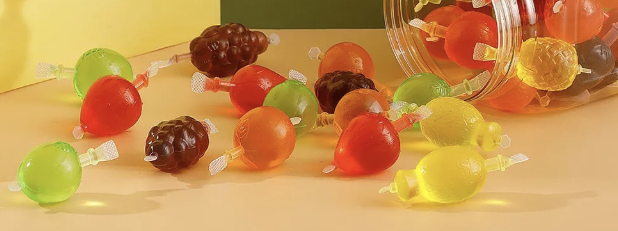
In the Middle Eastern candy sector, texture serves as a primary driver of consumer satisfaction and product differentiation. Consequently, identifying a Leading Fruit Jelly Manufacturer capable of aligning with these stringent technical and sensory expectations has become crucial for global distributors and regional retailers aiming to capture market share.
A technical comparison between regional fruit jelly manufacturers underscores the critical importance of gel strength and elasticity. The Middle East experiences prolonged periods of high ambient temperatures, which presents a significant logistical challenge for gelatin-based candies that possess low melting points. Consequently, advanced manufacturing plants utilize plant-derived gelling agents like carrageenan and sodium alginate to synthesize thermo-reversible gels with superior thermal stability. These formulations ensure that the confections retain their distinct shape and physical integrity throughout the supply chain without relying heavily on continuous refrigeration.
Consumer panels in countries like Saudi Arabia and the United Arab Emirates demonstrate a strong preference for a clean, cohesive break upon mastication, rather than an overly sticky or viscous texture. High-tier manufacturers leverage specific mechanical blending techniques to achieve a firm initial bite coupled with a smooth, rapid breakdown in the mouth, which enhances the immediate release of encapsulated fruit flavors. This precise balance prevents the product from adhering to teeth and packaging, a common defect observed in lower-grade alternatives. The selection of specific fruit shapes, as seen in advanced product configurations like the Fruit Shape Jelly Bag, further complements these sensory expectations by matching visual three-dimensional structures with optimized structural resilience.
2. Flavor Optimization: Customizing Profiles for Regional Palates
The flavor landscape of the Middle East is characterized by a sophisticated blend of traditional heritage notes and global modern preferences. Comparative market analysis reveals that while international flavors like strawberry, grape, and green apple remain stable volume drivers, successful market penetration requires the integration of intense, authentic fruit profiles. Middle Eastern consumers demonstrate a high sensitivity to artificial chemical aftertastes, leaning heavily toward products that incorporate concentrated natural fruit juices. The sweet profiles must be robust yet balanced with a subtle acidity to offset the intense heat of the regional environment, providing a refreshing sensory experience.
Furthermore, leading international brands differentiate themselves by engineering multi-layered flavor experiences within a single SKU. For instance, combining a sweet tropical mango profile with a tart citrus or green apple note replicates the complexity of fresh agricultural produce. Manufacturers aiming to establish a strong presence in this market must maintain tight control over flavor volatilization during the thermal processing phase of production. By utilizing advanced low-temperature vacuum boiling and closed-loop flavor injection systems, manufacturers ensure that delicate aromatic compounds are securely locked into the gel matrix, preserving their sensory profile from the factory floor to the final consumer purchase.
3. Supply Chain Adaptability and Technical Specifications
To successfully fulfill the strict compliance and logistical standards of the Middle Eastern market, confectionery manufacturing processes must be strictly calibrated against technical parameters. The product layout represented by the standard fruit shape jelly bag provides an illustrative case study of high-efficiency packaging and formulation balance. These products are typically filled using automated form-fill-seal (FFS) technology under strict aseptic conditions to eliminate microbiological contamination without requiring excessive chemical preservatives. A detailed look at the core product parameters illustrates the rigorous standards required for regional distribution:
Product Form: Individually sealed molded fruit shapes in an outer protective standing pouch.
Primary Gelling Agent: Food-grade carrageenan/agar-agar compound matrix (100% plant-derived).
Brix Level (Soluble Solids): Calibrated between 65% and 72% to optimize sweetness and preservation.
pH Range: Formulated within a precise 3.6 to 4.2 range to ensure optimal gel setting and flavor stability.
Shelf Life & Storage: Guaranteed 12 to 18 months when stored in ambient conditions below 35 degrees Celsius.
Packaging Configuration: High-barrier multi-layer film pouches designed to block moisture transfer and UV degradation.
Maintaining these technical benchmarks requires a production facility utilizing precise automated batching systems. The control of moisture content is paramount; excess free water within the gel matrix raises water activity levels, risking syneresis—the unwanted expulsion of liquid from the gel—and accelerating microbial spoilage. By keeping water activity levels strictly controlled, top manufacturers ensure long-term stability and a consistent texture throughout the product's shelf life.
4. Regulatory Compliance and Strategic Manufacturing Capabilities
Beyond physical and sensory attributes, regulatory alignment is an absolute prerequisite for entering the Middle Eastern confectionery market. Compliance with regional standardization frameworks, such as the Gulf Standardization Organization (GSO) standards, requires rigorous verification of all ingredients. The complete exclusion of porcine-derived gelatin and ethanol-based flavor carriers is non-negotiable. This regulatory environment has prompted a shift toward specialized suppliers who maintain permanent plant-based manufacturing lines and hold recognized international certifications, including Halal, ISO 22000, and BRC Global Standards for Food Safety.
This intersection of technical precision, climate adaptation, and strict compliance highlights the capabilities of established industrial operations like LITAFOOD. Utilizing over twenty years of industrial expertise in advanced food processing and texturizing technologies, the company has developed robust OEM and ODM customization services tailored to the specific needs of regional markets. By leveraging high-capacity automated molding lines and advanced starchless deposit technologies, production workflows achieve exact weight distribution and uniform gelation across large-scale outputs. This meticulous manufacturing control ensures that bulk shipments delivered to global retailers like Walmart and Costco, as well as specialized distributors across the Middle East, meet uniform standards for safety, texture, and flavor fidelity. As regional preferences continue to premiumize, the ability to rapidly adapt gelatin-free formulations while keeping production costs competitive remains the definitive benchmark for sustainable market leadership.
For detailed product specifications, commercial inquiries, and custom formulation options, please visit the official corporate portal at https://www.jellysupplier.com/
Nantong Litai Jianlong Food Co., Ltd.
Nantong Litai Jianlong Food Co., Ltd.
email us here
Legal Disclaimer:
EIN Presswire provides this news content "as is" without warranty of any kind. We do not accept any responsibility or liability for the accuracy, content, images, videos, licenses, completeness, legality, or reliability of the information contained in this article. If you have any complaints or copyright issues related to this article, kindly contact the author above.
