

A Thoughtful Look at a New Cushion Collection and Its Role in Modern Interiors
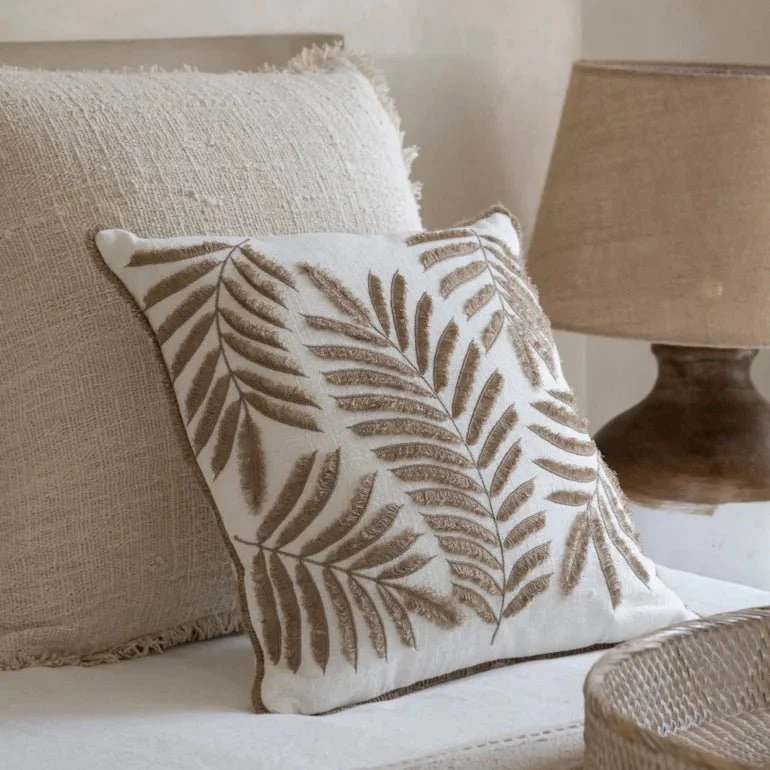
Boho cushions with textured patterns for relaxed home decor
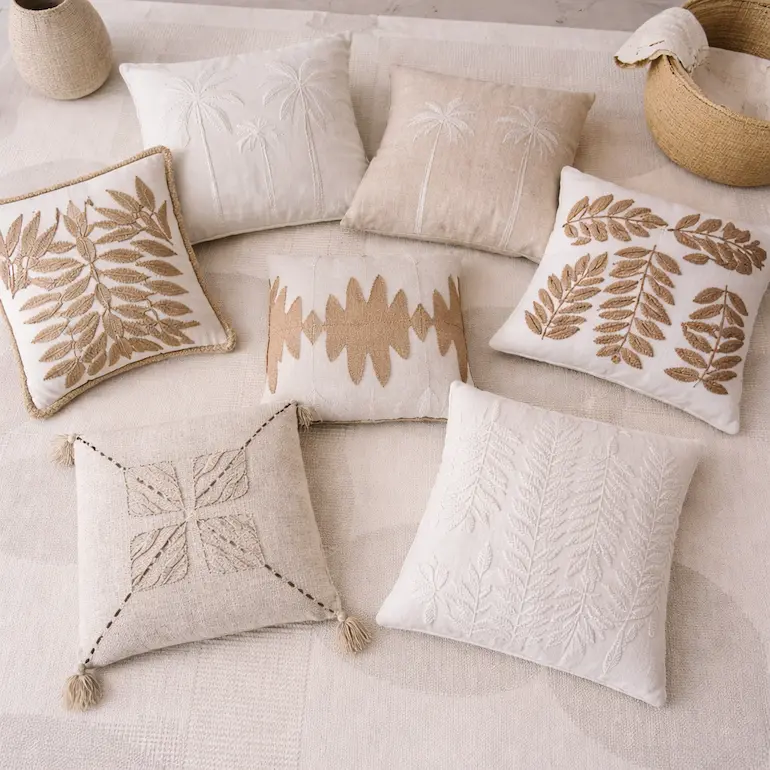
Decorative cushions to elevate living room decor in UAE
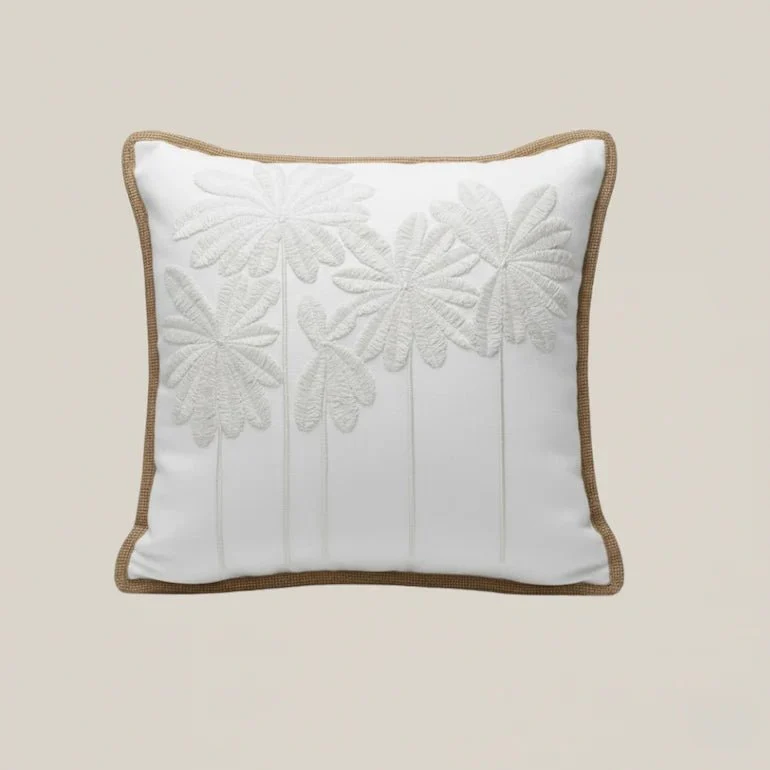
White cushion for clean and minimal interior styling
Discover the New Cushions Collection at Home and Soul for Modern Homes
DUBAI, AL MANARA, UNITED ARAB EMIRATES, January 27, 2026 /EINPresswire.com/ -- Decorative cushions are often perceived as minor details in interior design, yet their influence on space is far more substantial. Beyond their decorative role, cushions function as structural and tactile elements that shape atmosphere, comfort, and visual balance. In contemporary interiors, they operate at the intersection of form and function, quietly guiding how a space is experienced.This perspective lies at the core of the new cushion collection, where attention is paid not to short-lived trends but to long-term relevance. The collection reflects an understanding of how cushions interact with furniture, light, and human movement. Rather than acting as isolated accents, they are designed to integrate naturally into everyday living environments.
Why Cushions Matter in Contemporary Interior Design
Cushions can be described as the microarchitecture of a home. Their placement, size, and texture influence spatial rhythm and visual flow. In a living room, for example, a sofa without cushions often appears rigid and unfinished. Introducing a few well-chosen cushions immediately softens the composition and creates a sense of invitation.
The number and arrangement of cushions affect perception. A minimal setup of two or three cushions establishes calm and order, while a layered composition introduces depth and movement. In open-plan interiors, cushions also serve a zoning function. Distinct cushion styles or color palettes can visually separate relaxation areas from reading or dining spaces without physical barriers.
Psychologically, cushions communicate comfort before they are ever used. Soft forms and visible volume signal relaxation and ease, shaping expectations of how a space should feel.
The Balance Between Comfort and Visual Structure
Designing a cushion that is both visually refined and physically comfortable requires balance. Overly soft cushions may lose their shape quickly, while excessively firm ones sacrifice comfort for structure. Medium-density fillings strike a balance, providing support while maintaining softness and durability.
Shape plays an equally important role. Square cushions offer stability and symmetry, lumbar cushions provide ergonomic back support, and round cushions introduce softness and variation. Together, these forms allow for compositions that feel intentional rather than decorative by chance.
Neutral palettes, such as white or black-and-white combinations, reinforce visual structure. At the same time, variations in texture and size prevent monotony. This balance between order and softness is essential in modern interiors that aim to feel both curated and livable.
How Materials and Textures Influence Interior Perception
Materials are a primary way cushions communicate with their surroundings. Cotton remains a staple due to its breathability, ease of care, and tactile comfort. Linen introduces a more organic texture, with subtle irregularities that suit modern, Scandinavian, and boho interiors. Over time, linen softens while retaining its character.
Blended fabrics add durability and resistance to fading, which is particularly relevant for outdoor cushions exposed to sunlight. In climates where interiors are air-conditioned year-round, such as the UAE, breathable natural materials remain especially practical.
Surface finish also matters. Matte fabrics create visual calm and work well in minimalist spaces, while textured surfaces add depth and interaction with light. Combining both approaches—using matte cushions as a base and textured ones as accents—creates layered, visually engaging interiors.
Exploring the Design Language of the New Cushion Collection
The new cushion collection is built around cohesion and flexibility. Its color palette relies on muted and neutral tones that function as a timeless foundation. Whites range from warm ivory to cool linen shades, offering subtle variation rather than stark contrast.
Accent pieces introduce gentle color without overpowering a space. The palm tree cushion, for instance, demonstrates how a simple pattern can add interest to a neutral base. Similarly, the Serena cushion incorporates coastal-inspired motifs that suit relaxed interiors without dominating them.
Rather than relying on bold statements, the collection follows a measured approach: a small number of accent cushions balanced against a neutral core. This allows interiors to evolve easily—changing a single cushion can subtly shift the mood of a room.
Adapting Cushions to Different Living Spaces
Cushions adapt naturally to different environments. In living rooms, a three-seater sofa typically accommodates three to five cushions arranged to balance comfort and symmetry. Bedrooms benefit from layered arrangements that emphasize calm, often using neutral tones with a single understated accent.
In open-plan layouts, cushions help define zones without disrupting flow. A more expressive set of boho cushions may distinguish a lounge area, while subdued tones suit work or reading spaces.
Outdoor areas such as balconies and terraces require cushions designed to withstand light and moisture. In these settings, slightly stronger colors often feel natural against greenery and open skies.
A Thoughtful Approach to Styling Cushions
Styling cushions effectively relies on restraint. Overcrowding furniture reduces both comfort and visual clarity. A general guideline suggests fewer cushions rather than more, with emphasis on variation in size and texture.
A simple formula often works well:
Sizes: large cushions at the back, smaller ones in front
Colors: predominantly neutral tones with limited accents
Textures: a mix of smooth and tactile surfaces
This approach supports longevity. A neutral base remains relevant over time, while seasonal updates can be achieved by introducing one or two accent pieces. In this context, items from the new cushion collection are designed to function as enduring elements rather than disposable décor.
Ultimately, cushions are not merely decorative objects. They contribute to how a home feels and functions on a daily basis. When thoughtfully designed and carefully chosen, they quietly enhance comfort, soften architectural lines, and bring balance to modern interiors.
Carol Sukkar
Home and Soul Furniture Trading LLC
+971 56 112 1444
email us here
Visit us on social media:
LinkedIn
Instagram
Facebook
X
Legal Disclaimer:
EIN Presswire provides this news content "as is" without warranty of any kind. We do not accept any responsibility or liability for the accuracy, content, images, videos, licenses, completeness, legality, or reliability of the information contained in this article. If you have any complaints or copyright issues related to this article, kindly contact the author above.
